List a Wycliffe Home Step by Step, From Prep to Closing
May 28, 2026
May 28, 2026
Wondering what really happens after you decide to sell your Wycliffe home? In a private, membership-linked community like Wycliffe, the process is more detailed than putting a sign in the yard and waiting for offers. If you want to price correctly, avoid paperwork surprises, and move from listing to closing with fewer delays, it helps to know the steps in advance. Let’s dive in.
Selling in Wycliffe starts with understanding where your home fits inside the community, not just inside Wellington. Wycliffe Golf & Country Club spans about 600 acres, includes 14 distinct neighborhoods, and offers condos, villas, single-family homes, and estate homes. That means buyers are often comparing more than square footage alone.
Your pricing strategy should account for your exact sub-neighborhood, floor plan, lot type, and condition. A home on a lake, fairway, or cul-de-sac may compete differently than a similar home elsewhere in the club. In a community with this much variety, broad averages only go so far.
The wider market matters too. As of March 2026, Wellington was described as a buyer’s market, with a median listing price of $880.8K, a 97% sale-to-list ratio, and a median 68 days on market. Palm Beach County overall was more balanced, with a 96% sale-to-list ratio and 69 median days on market.
For you as a seller, that means buyers may have room to negotiate. It also means pricing, presentation, and monthly carrying costs can influence how fast your home moves. In Wycliffe, buyers are often weighing the home itself alongside the structure of club and HOA-related ownership.
A strong comparative market analysis should be highly specific in Wycliffe. Instead of treating the entire club as one market, the most useful CMA looks at homes in the same neighborhood with similar layouts, updates, and views. That gives you a more realistic picture of how buyers may value your property.
This matters because two homes with similar square footage can perform differently based on setting and finish level. If your home has updated interiors, a preferred lot, or a more turnkey feel, those details should be reflected. If it needs cosmetic work, that should be factored in early so your list price stays competitive.
Before your listing goes live, one of the most important jobs is building a clean disclosure and document file. Florida sellers must disclose known facts that materially affect value and are not readily observable, including in as-is sales. If there are pending code-enforcement issues, those should be disclosed in writing.
A practical pre-list package often includes:
Having these items ready can reduce back-and-forth later. It also helps you answer buyer questions more quickly once showings begin and offers come in.
Florida has several disclosure steps that can affect your timeline. For HOA-governed property, a disclosure summary must be presented before the contract is signed. That summary tells the buyer that HOA membership is mandatory and that assessments, covenants, and possible fees may apply.
There is also a required flood disclosure for residential sales in Florida. It must be completed and provided at or before contract execution. The form asks whether the seller has filed flood-related claims or received federal flood assistance.
These are not small details. If required documents are missing or delayed, the transaction can become more complicated. Getting organized before launch helps protect your momentum once a buyer is ready to move forward.
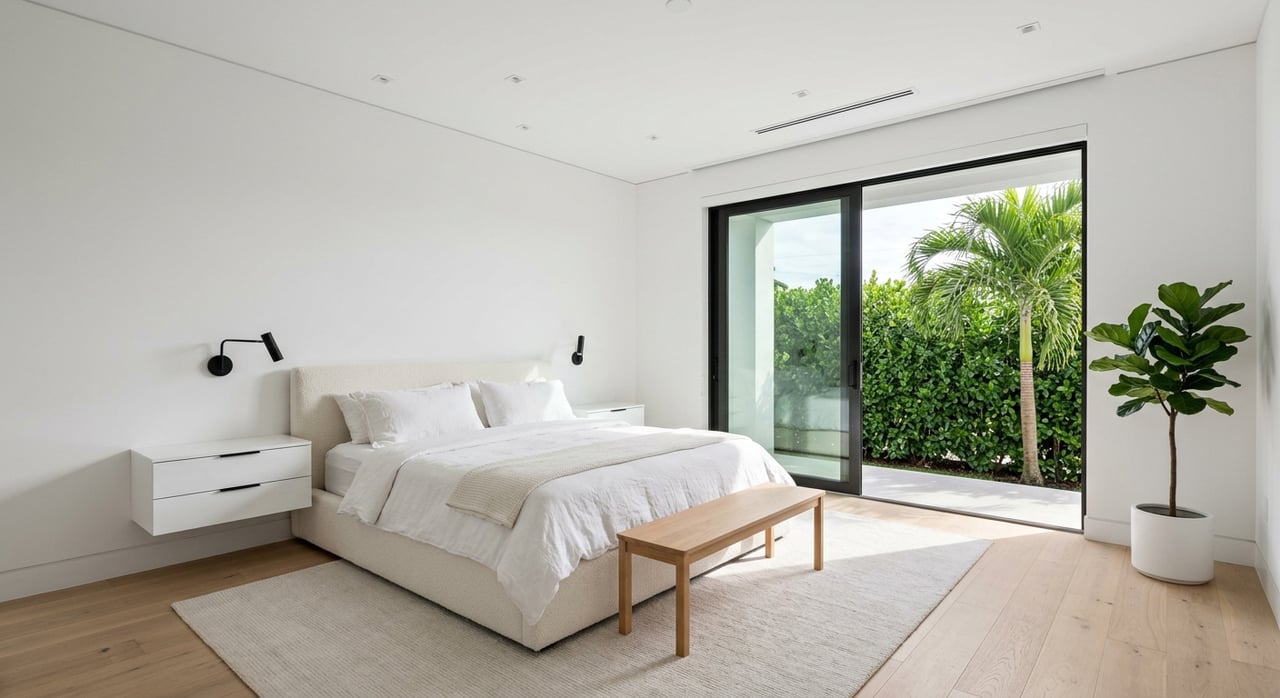
Presentation still matters, even in a neighborhood where buyers already know the community. Many buyers shop online first, so your home needs to photograph well and show clearly from day one. Clean, bright, uncluttered rooms help buyers focus on the property’s features instead of distractions.
Before photos, it helps to:
A pre-listing inspection is optional, but it can be useful. It may reveal roof, plumbing, or electrical issues before they surface during escrow. That gives you time to decide whether to repair items, price around them, or be ready for negotiation.
Staging can also help. In a 2025 survey, 29% of agents reported that staging increased offered value by 1% to 10%, and 49% said it helped reduce time on market. Even light staging or careful editing of furniture can make a difference in how buyers respond.
Once pricing, photos, and paperwork are ready, your listing can go live with stronger footing. In a market like Wycliffe, buyers are often comparing property features, views, update level, and the overall ownership structure. Clear, feature-driven marketing helps your home stand out without overcomplicating the message.
This is where professional photography and direct listing presentation matter. Buyers need to quickly understand what the home offers, how it lives, and why it is positioned where it is on price. Strong first impressions online can lead to faster showing activity and better-qualified interest.
Showings in Wycliffe usually involve more coordination than in a typical neighborhood. Because it is a private gated community and the club encourages scheduled tours and visits, advance gate coordination is often part of the process. That can be especially important for occupied homes, weekend traffic, or repeat visits.
If your home is on the market, flexibility helps. The easier it is to confirm entry and access, the smoother your showing schedule will be. In a gated country club setting, logistics can affect buyer experience more than many sellers expect.
When offers start coming in, the negotiation may cover more than just the number. Florida licensees acting as transaction brokers are required to deal honestly and fairly, use skill and care, and present offers and counteroffers in a timely manner. That supports a process where you can review your options clearly and respond without unnecessary delay.
In Wellington’s buyer-leaning market, buyers may ask for:
In Wycliffe, buyers may also weigh the exact neighborhood, the view, the home’s update level, and the cost structure tied to HOA and club ownership. If a home needs cosmetic work, buyers may view it partly as a renovation opportunity, especially since Wycliffe promotes a Renovator Program with vetted contractors and streamlined architectural approvals.
After you accept a contract, the transaction shifts into inspections, document review, and association-related steps. This is where early preparation often pays off. If you already gathered records and addressed known issues, you are in a better position to answer questions and keep the deal moving.
Inspection results can still change the tone of the transaction. A buyer may ask you to make repairs, offer a credit, or adjust terms. If you had a pre-listing inspection, you can usually respond with more confidence because you already have a clearer picture of the property.
In Florida HOA sales, the estoppel certificate is a key closing document. The association must issue it within 10 business days after request. The certificate includes information such as assessment balances, transfer fees or capital contributions if any, open violations, whether board approval is required, and whether there is a right of first refusal.
The estoppel certificate also has a limited effective period, either 30 or 35 days depending on delivery method. Because timing matters, this is one of the areas where organized transaction management can help avoid last-minute stress. In a community like Wycliffe, where ownership is tied to club membership, these steps are especially important.
As closing approaches, your net proceeds should be reviewed carefully. In Florida, documentary stamp tax applies to deeds that transfer real property and is generally paid when the deed is recorded. Outside Miami-Dade County, the rate is 70 cents per $100 of consideration, so Palm Beach County sellers should account for that in their closing math.
This is also the stage when required disclosures, HOA paperwork, and buyer review need to line up cleanly. If the transaction has been organized well from the start, closing is usually more predictable. If documents were delayed early on, this is often where the pressure shows up.
Wycliffe is not a one-size-fits-all market. It combines multiple sub-neighborhoods, several property types, mandatory ownership-linked membership, gated access, and a layered paperwork process. That mix can affect pricing, showings, negotiations, and closing timelines.
When your agent already understands the community map, the pace of showings inside a private club setting, and the document flow that supports HOA and membership-linked sales, the process can feel much more straightforward. In a market where details matter, local familiarity can save time and reduce avoidable friction.
If you are thinking about selling in Wycliffe, the best first step is a clear plan built around your exact home, your timing, and your goals. For practical guidance on pricing, preparation, marketing, and closing strategy, connect with Ruby Teich.
September 10, 2026
September 3, 2026
August 27, 2026
August 20, 2026
August 13, 2026
August 6, 2026
August 6, 2026
July 23, 2026
July 16, 2026
Ruby knows the market inside and out, and she brings genuine excitement and enthusiasm to every interaction. She’s committed to being a supportive, knowledgeable partner for both buyers and sellers, guiding them through each step of the process with confidence and care.

ADDRESS 1400 CORPORATE CENTER WAY WELLINGTON FL 33414